


Последние статьи
Путешествия с попугаем: истории людей, к…
02 Окт 2026 Просмотров:435
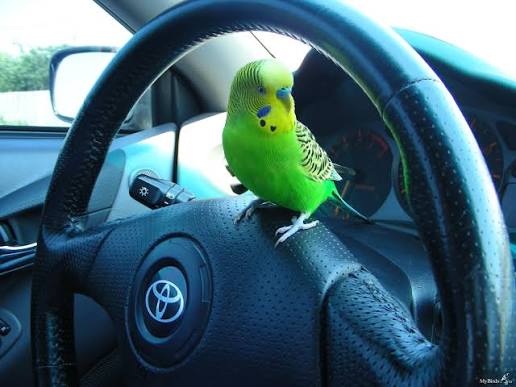
Для большинства домашних животных поездка — редкое событие. Для некоторых попугаев дорога становится почти обычной...
А знаете ли вы что?
Река Коси (в Индии) каждый год прокладывает себе новое русло, опустошая в своем движении большие территории. Посевы, деревни, скот – все сметает она на своем пути. Река знаменита и своей «грузоподъемностью»: общий объем ежегодных наносов составляет огромную цифру – 116 миллионов кубических метров. Галькой, песком, глиной, которые река ежегодно приносит в долину с гор Гималаев, можно наполнить 8 миллионов товарных вагонов!Вход
| Категория: О путешествиях |
| 01.06.2026 19:03 |
|
The good news — and there really is a lot of it — is that flight anxiety is one of the most treatable anxiety conditions out there. Whether you're white-knuckling through a two-hour domestic hop or avoiding international travel altogether, there are practical, research-backed strategies that work. This guide covers all of them. For anyone wanting to go deeper into the psychology and clinical side, fear of flying coping strategies at phobia.aero is an excellent starting point backed by aviation psychology specialists. What's Actually Happening When You're Afraid to FlyBefore you can manage flight anxiety, it helps to understand what's driving it. And this is where most generic advice falls short — it treats flight anxiety as if it's one thing, when it's really several different things bundled together. The Threat Response in a Safe SeatYour brain's alarm system — the amygdala — doesn't particularly care about statistics. It processes threats based on pattern recognition and emotional memory, not rational probability assessments. When you board a plane, a cluster of sensory inputs (enclosed space, loss of physical control, unfamiliar sounds, altitude) can trigger a genuine threat response even when the conscious, rational part of your brain knows perfectly well that commercial aviation is extraordinarily safe. This is why telling yourself "statistically, flying is safer than driving" doesn't stop the panic. You're using the wrong tool for the problem. Logic and fear live in different parts of the brain, and during an anxiety spike, fear tends to win that argument. The Turbulence Conversation - Because It's Almost Always About Turbulence If there's one topic that comes up in virtually every conversation about flight anxiety, it's turbulence. So let's spend a moment on it properly. Turbulence is air moving unevenly — temperature differentials, jet streams, airflow over mountains. The plane moves through these pockets of uneven air the way a boat moves through choppy water. It's uncomfortable, occasionally startling, and completely normal. Modern commercial aircraft are designed to handle forces many, many times greater than anything encountered in routine or even severe turbulence. Here's something most anxious flyers don't know: pilots and cabin crew don't fasten their seatbelts during turbulence because they're afraid the plane will go down. They do it because the human body can injure itself in a moving cabin if it's not secured. The aircraft itself is fine. That distinction is worth sitting with. For the majority of anxious flyers, reframing turbulence from "the plane is breaking" to "the plane is doing exactly what it's designed to do in moving air" significantly reduces anxiety over time. It takes repetition, but it works. Breathing Techniques That Actually Work In-FlightWhen anxiety spikes mid-flight, your breathing is the fastest physiological lever you can pull. The autonomic nervous system — the system governing stress responses — is responsive to deliberate breathing in ways that few other techniques can match in real time. Physiological SighThis one sounds strange but has solid research behind it. Take a normal inhale, then take a second quick inhale on top of it (essentially double-inhaling through the nose), and then let out a long, slow exhale. This technique rapidly deflates the air sacs in your lungs that collapse during shallow anxious breathing, and the extended exhale triggers an immediate parasympathetic response. One or two of these can provide near-instant relief. Psychological Strategies: Rewiring the Fear Response Over TimeBreathing techniques manage symptoms in the moment. But if you want to actually reduce flight anxiety over time — to genuinely change your relationship with flying — you'll need approaches that work on the underlying cognitive and behavioral patterns. Exposure Therapy: Gradual and SystematicAvoidance is the worst thing you can do for a phobia. Every time you avoid flying, you confirm to your brain that the threat was real and the avoidance was necessary. This makes the fear stronger, not weaker. Exposure therapy works by gradually increasing contact with the feared stimulus in a controlled, supported way. This might start with watching videos of plane interiors, progress to visiting an airport, sitting in a grounded aircraft, and eventually taking short flights with a support person before building to longer journeys independently. This isn't about forcing yourself to white-knuckle through something terrifying. Done properly, it's a step-by-step process that gives your nervous system the evidence it needs to update its threat assessment. Mindfulness and Acceptance-Based ApproachesA somewhat counterintuitive but highly effective approach: instead of fighting anxiety or trying to suppress it, practice observing it with curiosity and non-judgment. This is the core of mindfulness-based approaches, and it draws on acceptance and commitment therapy (ACT) principles. The idea is that the secondary anxiety — the fear of the fear itself, the mental effort of trying not to feel anxious — often amplifies the original discomfort significantly. When you practice letting anxiety be present without fighting it, it tends to peak and then naturally diminish on its own. This is the foundation of a technique called "floating through" anxiety that many therapists teach. Practical Pre-Flight PreparationA lot of flight anxiety is managed not on the plane but in the days and hours before it. What you do in the lead-up matters enormously. Choose Your Seat StrategicallySeats near the wings tend to experience less motion during turbulence since the aircraft's center of gravity is located there. Window seats can be great for those who find looking out calming, but can worsen anxiety for those afraid of heights. Aisle seats give a sense of accessibility and less confinement. Know yourself and book accordingly — it's worth paying extra for the right spot. Learn What You're HearingOne of the most effective anxiety-reduction techniques for new flyers is simply learning what the sounds and physical sensations of flight actually mean. The thump as the landing gear retracts. The change in engine pitch during cruise. The whirring sound of flaps adjusting on approach. The slight nose-down attitude during descent. Each of these sensations is strange and potentially alarming if you don't know what it is. Each of them is completely routine and expected if you do. Many fear-of-flying programs spend significant time on exactly this kind of education, and participants consistently rate it as one of the most valuable elements. Manage Your InputsIn the 24 hours before a flight, be thoughtful about what you consume — not just food and drink, but information. Avoid reading about aviation accidents or watching disaster documentaries. Limit caffeine, which amplifies anxiety symptoms physically. Get proper sleep the night before if possible. On the day of the flight, arrive with enough time that you're not rushing. Airport stress layered on top of flight anxiety makes everything worse. Give yourself the gift of a buffer. In-Flight Coping ToolkitEven with excellent preparation, anxiety can still spike in the air. Having a toolkit ready — not just one strategy but several — makes a significant difference. Distraction and EngagementDownload movies, podcasts, or audiobooks you've genuinely been looking forward to. Pre-loading entertainment you're excited about gives you something to move toward rather than just something to escape from. Crossword puzzles, language learning apps, and absorbing novels all work well. The goal is to occupy enough cognitive bandwidth that the monitoring, anticipatory part of the anxious mind has less room to operate. Grounding TechniquesWhen panic starts to build, grounding brings you back to the present moment through the senses. The 5-4-3-2-1 technique: name five things you can see, four you can feel physically (the texture of the seat, the temperature of the air), three you can hear, two you can smell, one you can taste. This interrupts the spiral of anxious future-thinking by anchoring attention to immediate sensory experience. Progressive Muscle RelaxationStarting from your feet and working up through your body, systematically tense each muscle group for five seconds and then release. The contrast between tension and release produces a genuine physical sensation of relaxation and gives you something active to do with the anxiety energy in your body. It also works as a quiet, discreet practice — nobody around you needs to know you're doing it. Talk to the CrewThis one is underused. Flight attendants are trained in passenger anxiety and have helped countless nervous flyers through difficult moments. A quiet word at the start of a flight — "I'm a nervous flyer, it would help to know what to expect during the flight" — can open a door to reassurance, advance warning before any turbulence, and a sense of human connection that makes the experience dramatically easier. Medications and Supplements: What to KnowThe question of medication comes up constantly in discussions of flight anxiety, and it deserves a candid, nuanced answer. Medication can be a legitimate part of managing flight anxiety — but it works best as a bridge, not a destination. What Your Doctor Might PrescribeShort-acting benzodiazepines (such as lorazepam or alprazolam) are sometimes prescribed for occasional flight anxiety. They work by reducing the physiological arousal response and can be genuinely helpful for people who need to fly infrequently and haven't yet developed other coping strategies. Beta-blockers, like propranolol, target the physical symptoms of anxiety — racing heart, trembling, sweating — without the sedative effects of benzodiazepines. Important caveats: benzodiazepines can impair judgment and coordination, interact with alcohol (which is commonly consumed on flights), and create dependence with regular use. They should be taken only under medical guidance and ideally trialed before the day of your flight so you know how they affect you. They are also not suitable for everyone. A conversation with your doctor — honest about your anxiety and your intended use — is essential. Over-the-Counter and Natural OptionsSome travelers find antihistamines (like diphenhydramine, the active ingredient in many sleep aids) helpful for mild anxiety and sleepiness on long flights as fear of flying medication. Melatonin is useful specifically for long-haul flights involving time zone changes. Herbal supplements like valerian root, passionflower, and L-theanine have modest evidence for reducing anxiety in some people, with generally favorable safety profiles. The evidence base is thinner than for prescribed medications, and they work better for some people than others. Worth trying in low-stakes situations before relying on them mid-flight. Alcohol, though popular, is worth approaching carefully. It can initially reduce anxiety but disrupts sleep, worsens dehydration, and can paradoxically increase anxiety in the rebound phase. Many people find moderate consumption fine; others find it ultimately makes things worse. Fear of Flying Programs: When to Go DeeperFor anxiety that significantly limits your life — declining job opportunities, missing important family events, feeling shame about your inability to travel — working with a professional is not an overreaction. It's a proportionate response to a real problem. Structured fear-of-flying programs offered by airlines and aviation psychology organizations often combine educational components (learning how aircraft work), CBT-based cognitive exercises, and graduated exposure — sometimes concluding with an actual flight as part of the program. Completion rates are high and the outcomes are well-documented. Individual therapy with a psychologist who specializes in anxiety disorders can be equally effective, particularly for people whose flight anxiety is part of a broader anxiety pattern. CBT, EMDR (Eye Movement Desensitization and Reprocessing), and hypnotherapy all have varying degrees of evidence for phobia treatment. Virtual reality exposure therapy is a newer and genuinely exciting development — it allows graduated exposure to flight environments in a clinical setting, without the cost and logistics of real flights. The technology has improved substantially and several studies show results comparable to in-vivo exposure. FAQs about Air Travel StressWhy do I feel anxious on planes even when I know flying is safe?This is the most common source of frustration for anxious flyers — the disconnect between intellectual knowledge and emotional experience. The short answer is that your brain processes emotional threats through a different pathway than logical information. The amygdala, which manages fear responses, doesn't take reassurance from statistics particularly well. It responds to patterns, sensory cues, and emotional memory. This is why education and gradual exposure work better than rational argument — they actually speak the language the fear center understands. What breathing techniques are most effective during a panic moment on a plane?For acute panic, the physiological sigh (double inhale through the nose followed by a long exhale) works fastest because of its direct effect on lung pressure and the vagal nerve. Box breathing is better for sustained anxiety management throughout a flight. The 4-7-8 method is particularly effective for anxious thoughts that won't quiet down. In practice, having at least two techniques in your toolkit is wise — sometimes one resonates more than another depending on the moment. Are there medications that genuinely help with flight anxiety?Yes, several categories of medication are used for flight anxiety. Short-acting benzodiazepines (like lorazepam) reduce physiological anxiety response; beta-blockers (like propranolol) address the physical symptoms without sedation. Both require a prescription and discussion with a doctor about appropriateness for your specific situation. Over-the-counter options like antihistamines can produce mild sedation. Supplements including L-theanine and valerian have modest evidence for mild anxiety. None of these are substitutes for developing coping strategies — they work best as short-term support while other skills are being built. Does turbulence actually pose a danger to the aircraft?No — for a properly maintained modern commercial aircraft, turbulence does not pose structural risk. Airplanes are tested and certified to handle forces many multiples beyond what any turbulence would produce. What turbulence can do is cause objects or unbuckled passengers inside the cabin to move, which is why seatbelt signs illuminate. The aircraft itself is engineered for exactly these conditions. Understanding this — genuinely, not just intellectually — is one of the most anxiety-reducing pieces of knowledge a nervous flyer can absorb. How to overcome flight anxiety?This varies widely depending on the severity of the anxiety and the approach used. For mild to moderate flight anxiety, dedicated CBT or a structured fear-of-flying program often shows meaningful improvement within 6 to 12 weeks. For severe aerophobia that has been present for years, longer therapy may be needed. The most consistent predictor of improvement to get over fear of flying is flying — graduated exposure, in a supported context, is the most powerful treatment available. Avoiding flying to "work on it first" often extends the timeline significantly. ConclusionFlight anxiety is not a character flaw. It's not a sign of weakness or irrationality. It's a fear response that has gotten a bit overzealous about something that is, objectively, one of the safest activities modern humans engage in. And like most mistuned fear responses, it's also quite correctable. The path for fear of flying therapy forward looks different for everyone. Some people make enormous progress through education alone — learning what they're hearing and feeling in an aircraft removes the mystery that feeds the fear. Others need the graduated exposure of a formal program. Many benefit from working with a therapist who understands anxiety and can guide them through the cognitive restructuring that makes the most lasting difference. If you're ready to take that seriously, the resources and professional guidance available today are genuinely excellent. The specialists at phobia.aero's anxiety management programs bring together aviation knowledge and anxiety psychology in ways that are specifically designed for people exactly where you are right now. That combination — real aviation expertise meeting real psychological expertise — is what makes these programs so effective compared to generic anxiety support. The world is worth seeing. The people you love are worth visiting. The opportunities that require travel are worth pursuing. Flight anxiety, as entrenched as it can feel, does not have to be the thing that holds you back from any of it. |
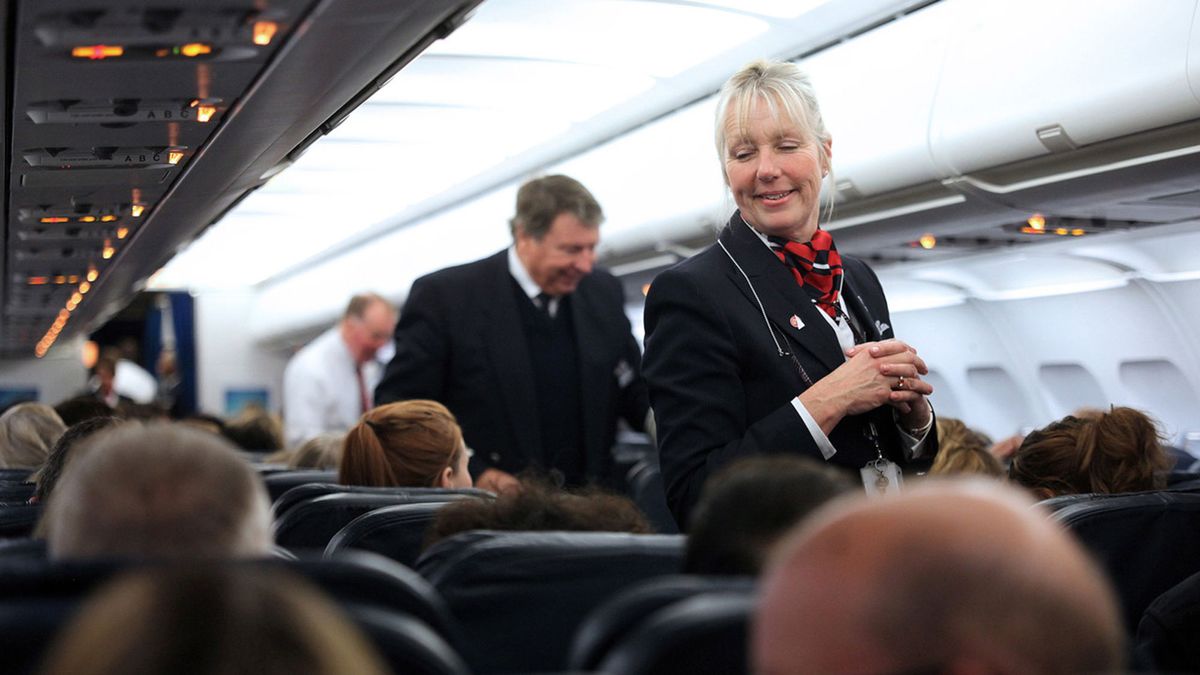 Studies consistently show that somewhere between 25 and 40 percent of air travelers experience some degree of flight anxiety. For roughly 2.5 to 6.5 percent, the fear is severe enough to qualify as aerophobia — a genuine clinical phobia that keeps people off planes entirely, costing them relationships, career opportunities, and the chance to see the world they've always wanted to explore.


Путешествуем по миру
Как необычно провести выходной

После рабочей недели многие люди свободно вздыхают в предвкушении выходных, но не знают, чем бы...
Как отдохнуть в Харькове

Харьков является столицей Восточной Украины. Это город, который по количеству населения находится на втором месте...
Как снять усталость и стресс: массаж после сидячей…
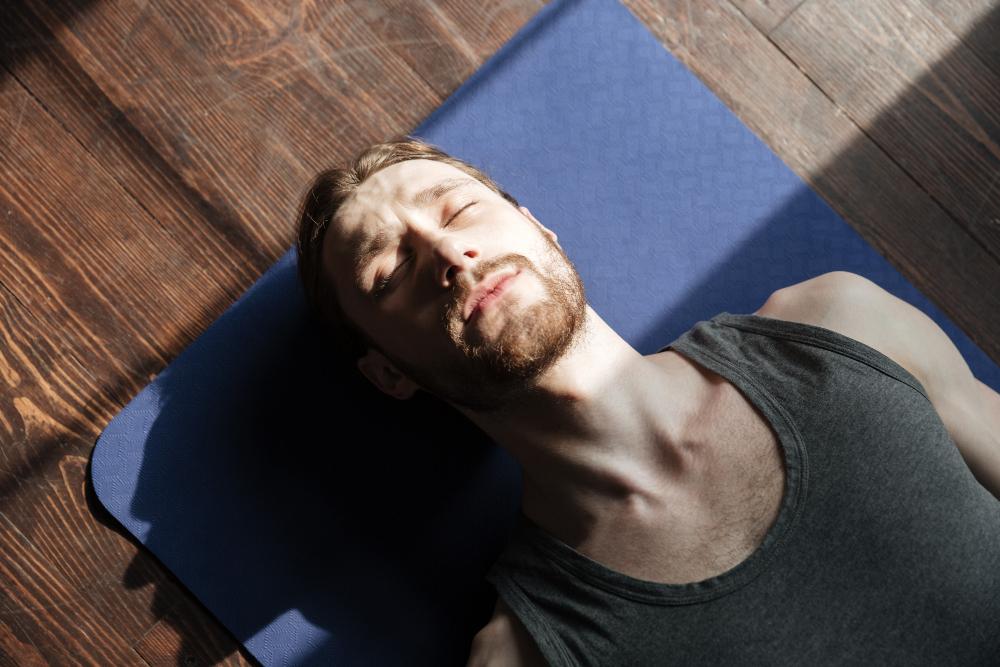
Современный ритм жизни, включающий многочасовую работу за компьютером, длительные перелёты или постоянные поездки за рулем,...
Опечатка?
Выделите текст и нажмите Shift+Enter.
И мы в ближайшее время ее исправим!